admin
adminDiscover the Charm of Historic Towns & Cultural Gems on a Budget in Bath
Explore the Rich Heritage and Hidden Treasures of Bath Without Breaking the Bank
Nestled in the heart of England, Bath stands as a captivating destination where history, architecture, and culture intertwine seamlessly. Known worldwide for its stunning Georgian architecture and ancient Roman baths, this charming city offers a wealth of experiences that appeal to travelers seeking both authenticity and affordability. Its narrow, cobbled streets are lined with centuries-old buildings, vibrant markets, and cozy cafes, creating an inviting atmosphere that beckons exploration. Beyond the well-trodden tourist paths, Bath reveals lesser-known heritage sites and cultural gems perfect for those on a budget. Whether you’re a history enthusiast, art lover, or simply eager to immerse yourself in a city rich with stories, Bath promises an unforgettable journey. In this article, you will discover how to enjoy the city’s historic allure and cultural treasures without overspending, uncovering tips and hidden spots that make this destination truly unique.

Music is the heartbeat of every journey! Amazon Music Unlimited gives you unlimited access to top songs, travel playlists, and relaxing tunes for your trip. Try it free for a month and set the mood for your adventures.
Roman Baths
The Roman Baths in Bath stand as one of the most remarkable surviving examples of ancient engineering and social history. Located in the heart of the city, these historic thermal springs have been a place of relaxation, worship, and community gathering for over two millennia. Visitors are transported back in time as they explore the well-preserved remains of the Roman Empire’s sophisticated bathing complex, which once served as a hub of Roman life in Britain.
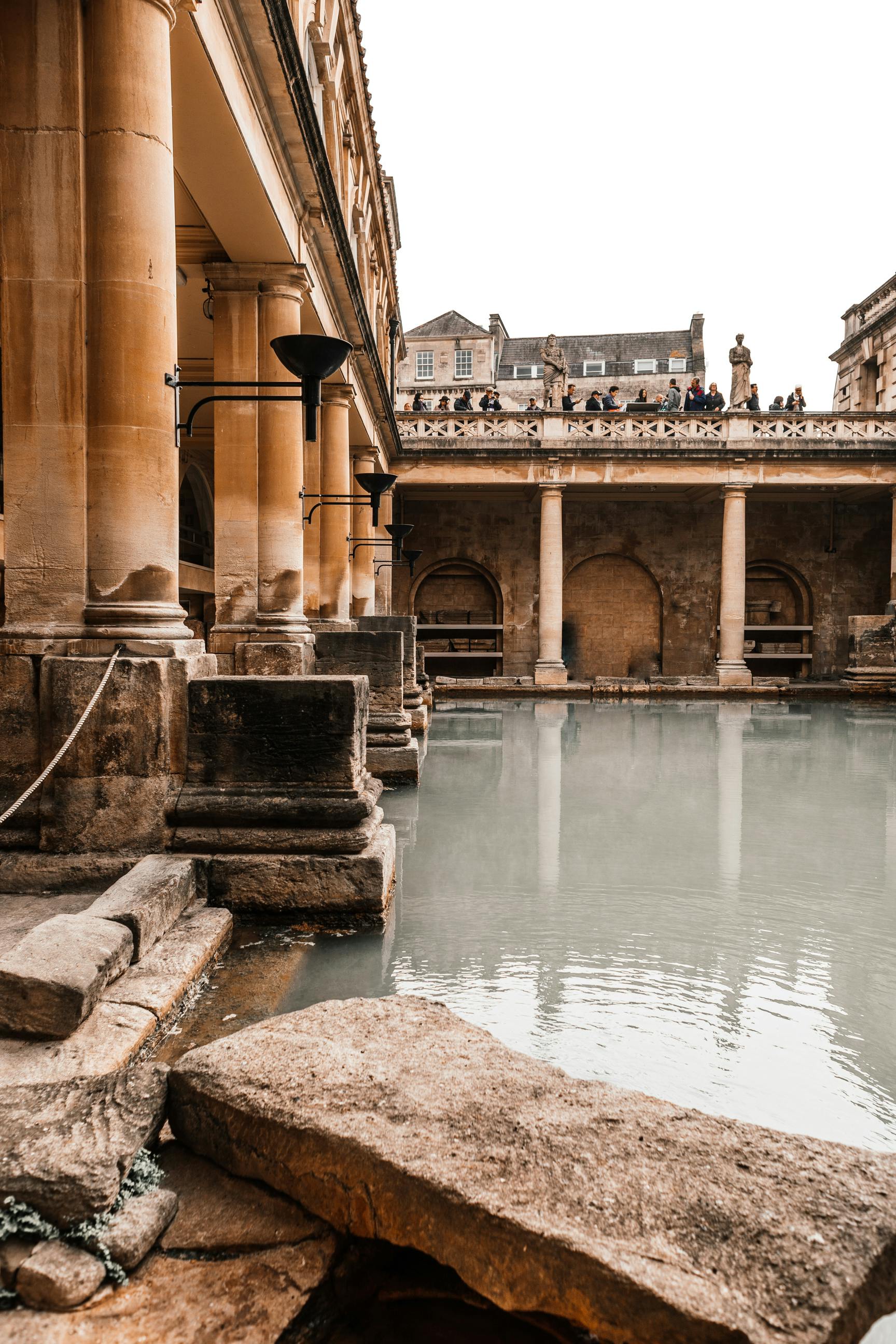
The site is situated in the center of Bath, adjacent to the stunning Bath Abbey and the picturesque Parade Gardens. The main features include the ancient hot springs, the Great Bath, the Roman Temple, and intricate remains of bathing pools, saunas, and social spaces. As you wander through the ruins, you can admire the original stonework, intricate mosaics, and the impressive hypocaust heating system that once kept the baths warm. The museum offers detailed exhibits, including artifacts, sculptures, and multimedia presentations, providing insight into Roman life and their sophisticated water management techniques.
What makes the Roman Baths truly worth visiting is their unique blend of history, architecture, and legend. The waters, still bubbling today, are believed to have healing properties, attracting visitors seeking wellness since ancient times. Guided tours and audio guides enhance the experience, revealing stories of Roman emperors, local legends, and the engineering marvels behind the site. Practical information includes opening hours, ticket prices, and accessibility options. It’s advisable to arrive early or book tickets in advance, especially during peak seasons, to fully enjoy this iconic cultural treasure.
Highlights for Visitors
- Explore the ancient bathing complex and see the original Roman stonework
- Learn about Roman engineering and water supply systems
- Enjoy the atmospheric Great Bath filled with thermal waters
- Visit the museum’s extensive collection of artifacts and exhibits
- Experience the site’s legends and historical significance firsthand
The Roman Baths offer a captivating glimpse into Britain’s ancient past, making it a must-visit for history enthusiasts and curious travelers alike. Whether you’re interested in archaeology, architecture, or simply the stories of a bygone era, this site remains a timeless symbol of Bath’s rich heritage.
Bath Abbey
Perched majestically at the heart of Bath, Bath Abbey is a stunning example of Gothic architecture and a spiritual centerpiece of the city. The abbey’s origins date back to the 7th century, but the current structure was mainly built between the 12th and 16th centuries, showcasing a remarkable blend of medieval craftsmanship and religious devotion. Its towering spire, intricate stone carvings, and expansive stained glass windows make it one of the most photogenic landmarks in Bath.

The abbey’s location in the city center makes it easily accessible for visitors. Upon entering, you are greeted by a vast nave with soaring vaulted ceilings and beautiful medieval misericords. The interior is equally impressive, featuring detailed stonework, historic memorials, and stunning stained glass windows that depict biblical stories and saints. The fan-vaulted ceiling and the intricately carved west front are highlights that showcase the craftsmanship of medieval builders. Visitors can also explore the historic cloisters, which provide a peaceful retreat and a glimpse into monastic life of the past.
Bath Abbey is not only a place of worship but also a venue for concerts, special services, and community events. Its rich history is palpable, from the original Saxon church to the modern-day spiritual hub. Practical tips include checking the schedule for services or concerts, as well as guided tour times. Entry to the abbey is usually free, but donations are appreciated. Climbing the tower is an optional activity that offers panoramic views of Bath and the surrounding countryside, making it a memorable experience for those willing to ascend the narrow staircases.
Why Visit Bath Abbey?
- Experience awe-inspiring Gothic architecture and detailed craftsmanship
- Learn about the abbey’s centuries-long history and significance
- Enjoy the tranquil atmosphere and stunning stained glass windows
- Attend a service, concert, or simply admire the peaceful surroundings
- Take in spectacular views from the tower for a memorable perspective of Bath
Bath Abbey encapsulates the city’s spiritual and architectural heritage, offering visitors a chance to connect with centuries of history while appreciating its artistic beauty. Whether you’re interested in history, architecture, or simply seeking a moment of serenity, this sacred site is a highlight of any visit to Bath.
Royal Crescent
The Royal Crescent stands as one of the most iconic examples of Georgian architecture in Britain. Situated along a sweeping curve on Lansdown Hill, this majestic row of 30 terraced houses exemplifies the elegance and grandeur of 18th-century design. Built between 1767 and 1774 under the direction of architect John Wood the Younger, the Crescent was conceived as a prestigious residential address for Bath’s wealthy elite. Today, it remains a symbol of Bath’s refined history and urban planning excellence.
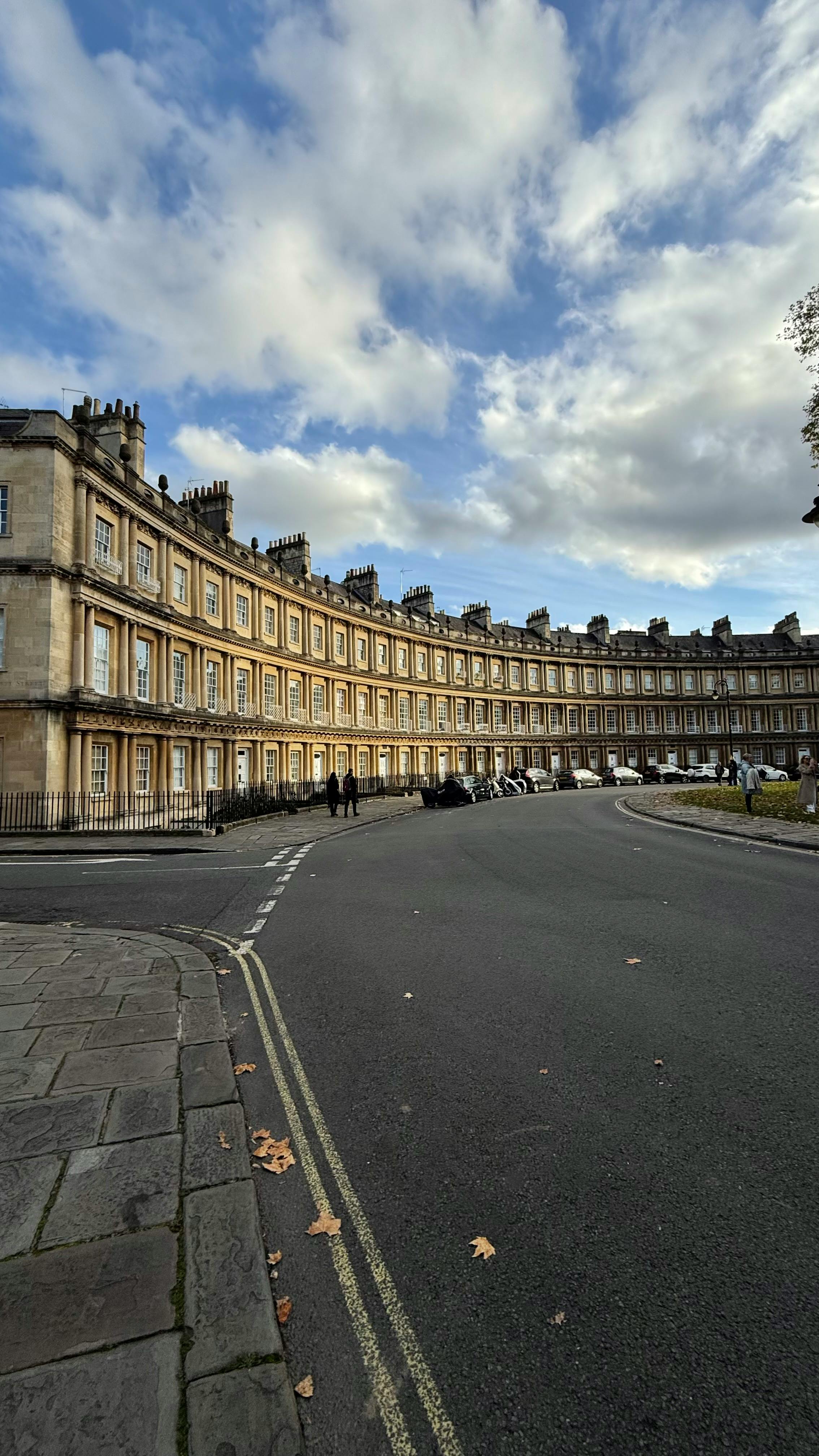
The impressive façade features a uniform row of stuccoed townhouses with tall sash windows, Ionic columns, and a commanding central portico. The sweeping lawn in front offers a perfect vantage point for photos and provides a sense of open space amid the historic architecture. Visitors can stroll along the crescent, enjoying the harmonious proportions and meticulous craftsmanship that typify Georgian elegance. The site also includes No. 1 Royal Crescent, a restored museum that offers a glimpse into 18th-century domestic life, furnished with period furniture and artifacts.
Beyond its architectural beauty, the Royal Crescent is located within walking distance of other notable attractions, including the Circus and the Roman Baths. The surrounding area is dotted with charming cafes, shops, and parks, making it an ideal spot for leisurely exploration. Guided tours are available, providing insights into the history of the development, the social life of Georgian Bath, and the architectural innovations of the period. Visitors should check opening hours and consider booking in advance, especially during peak tourist seasons.
Highlights for Visitors
- Admire the sweeping Georgian façade and meticulous design
- Visit No. 1 Royal Crescent to explore historic domestic life
- Enjoy panoramic views of Bath from the front lawn
- Learn about Bath’s Georgian history through guided tours
- Stroll through the surrounding parks and nearby historic sites
The Royal Crescent remains a testament to Bath’s architectural grandeur and social history. Its timeless beauty continues to attract visitors who appreciate the elegance of Britain’s Georgian era, making it a must-see landmark that captures the city’s refined heritage and cultural significance.
The Circus
Situated in the heart of Bath’s historic city center, The Circus is an iconic masterpiece of Georgian architecture that exemplifies the town’s rich cultural heritage. Designed by the renowned architect John Wood the Elder in the 18th century, this grand circular space is a testament to the elegance and grandeur of the Georgian era. The Circus forms a perfect circle, measuring approximately 150 meters in diameter, and is composed of three interconnected segments of townhouses that create a dramatic and harmonious visual impact. Its central open space was originally intended for social gatherings, parades, and community events, reflecting the importance of communal life during Bath’s heyday as a fashionable spa town.

Walking around The Circus offers visitors a chance to marvel at the intricate craftsmanship of the period. The townhouses are characterized by their uniform stucco facades, elegant columns, and decorative stonework, which showcase the skilled artisanship of Georgian builders. Many of the buildings retain their original features, and some have been converted into private residences, boutique accommodations, or offices, adding to the area’s vibrant atmosphere. The central green space, often used for relaxing or taking photographs, provides a peaceful contrast to the bustling streets around it.
What makes The Circus particularly worth visiting is its architectural significance and its role within Bath’s historic urban landscape. It is a prime example of the town’s planned development during the 18th century, emphasizing symmetry, proportion, and aesthetic beauty. Visitors can appreciate the seamless harmony between The Circus and nearby landmarks like the Royal Crescent, creating a UNESCO World Heritage Site that encapsulates the elegance of Georgian Bath.
For practical information, The Circus is easily accessible on foot from many of Bath’s other historic attractions. There is limited parking nearby, but public transport options are plentiful, including bus routes that connect to the city center. The area is perfect for a leisurely stroll, especially during the early morning or late afternoon when the soft light accentuates the architectural details. Whether you are an architecture enthusiast or a history lover, exploring The Circus offers a glimpse into Bath’s sophisticated past and its enduring charm.
Pulteney Bridge
Located in the heart of Bath, Pulteney Bridge is one of the most picturesque and architecturally significant bridges in the United Kingdom. Spanning the River Avon, it was designed by architect Robert Adam and completed in 1774. What sets Pulteney Bridge apart from other historic bridges is its unique design, featuring a row of shops along both sides of the structure, reminiscent of the famous Ponte Vecchio in Florence. This distinctive feature not only enhances its aesthetic appeal but also highlights Bath’s long-standing tradition as a vibrant commercial center during the Georgian period.
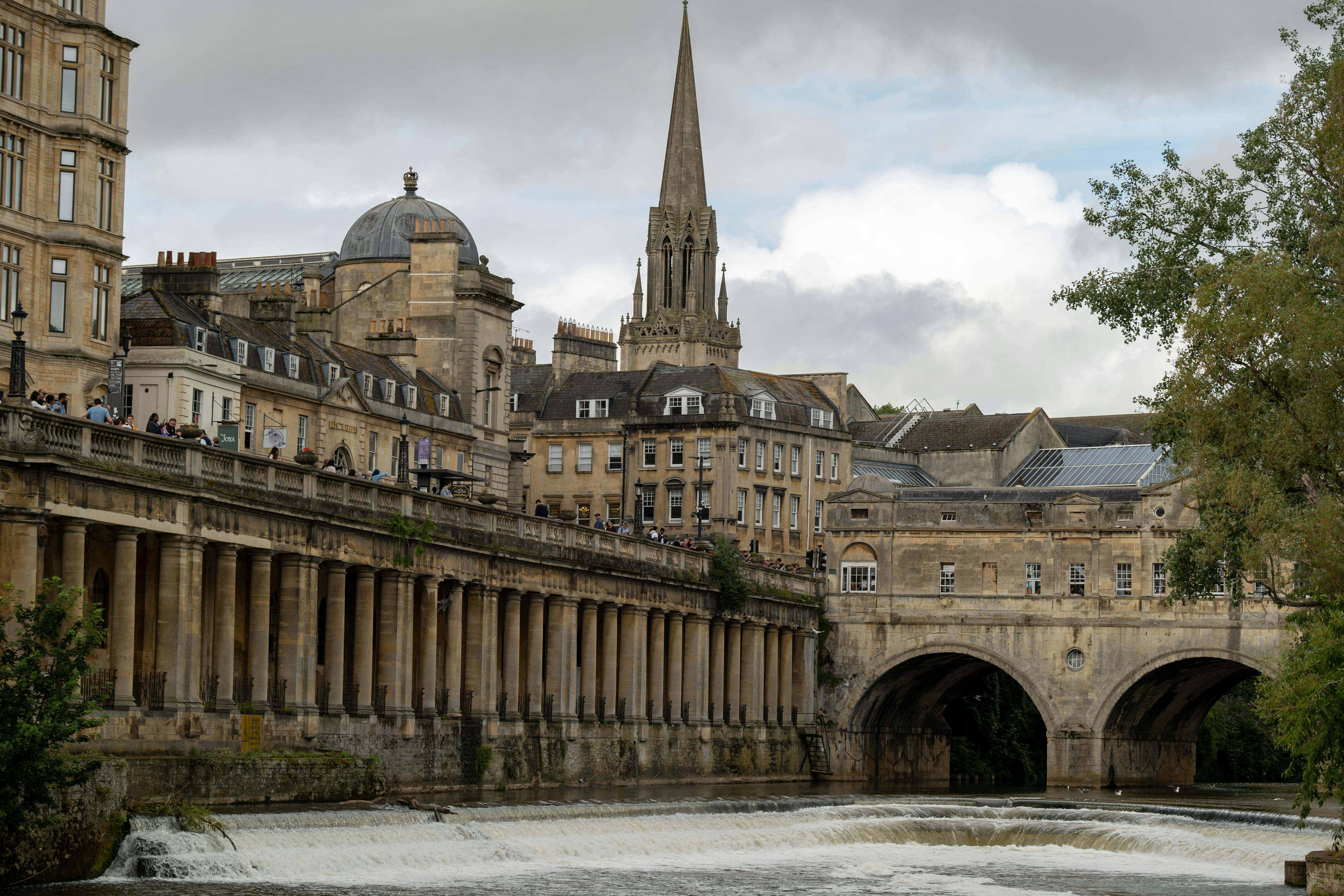
The bridge spans approximately 100 meters and is constructed from sandstone, blending seamlessly with the surrounding architecture. Its elegant arches, supported by sturdy piers, create a harmonious flow that complements the natural beauty of the River Avon. Visitors are often captivated by the view from the bridge, especially when the river is calm, reflecting the historic buildings and lush greenery on either side. The shops along the bridge offer a variety of boutiques, cafes, and art galleries, making it a lively hub of activity and commerce.
What makes Pulteney Bridge a must-visit is not only its architectural finesse but also its historical significance. It was built to connect the city’s commercial districts and facilitate trade, symbolizing Bath’s prosperity during the 18th century. Today, it remains a popular spot for photographers and tourists alike, offering stunning vantage points for capturing the essence of Bath’s historic charm.
For visitors, the bridge is easily accessible from the city center, with plenty of nearby parking and public transportation options. A walk across Pulteney Bridge provides an immersive experience, allowing you to enjoy the blend of history, architecture, and vibrant street life. Whether you’re exploring Bath’s cultural heritage or simply seeking a scenic spot for relaxation, Pulteney Bridge offers an authentic glimpse into the town’s storied past and lively present.
The Best Time to Visit Bath
Understanding the Climate and Weather
Bath experiences a temperate maritime climate, characterized by mild winters and warm summers. The best time to visit for comfortable weather is during late spring (May and June) and early autumn (September and October). During these months, temperatures typically range from 15°C to 20°C, making outdoor exploration pleasant. Summers, especially July and August, can be warmer, often exceeding 25°C, which is ideal for strolling through historic streets and enjoying outdoor attractions. Conversely, winter months tend to be colder and wetter, but they offer a unique charm, especially if you’re interested in experiencing Bath’s cozy ambiance and festive holiday markets.
Peak Tourist Seasons and Crowds
Bath’s peak tourist season coincides with the summer months and the Christmas holiday period. July and August see the highest influx of visitors, which means popular sites like the Roman Baths and Bath Abbey can be crowded. This influx often results in longer queues and higher accommodation prices. Visiting during these months is perfect if you want lively atmospheres and numerous events, but it can also mean less flexibility for quiet sightseeing.
Off-Peak Benefits
Traveling in the shoulder seasons—spring (April and May) and autumn (September and October)—offers several advantages. Fewer tourists mean more relaxed visits to historic sites, shorter queues, and often better deals on accommodations. Additionally, the city’s gardens and parks burst with color during spring, and autumn brings a stunning display of foliage. These periods also tend to have milder weather, making outdoor exploration more enjoyable without the summer crowds.
Summary: Pros and Cons of Visiting Bath
| Timing | Pros | Cons |
|---|---|---|
| Summer (July–August) |
|
|
| Spring (April–June) & Autumn (September–October) |
|
|
| Winter (November–February) |
|
|
Ultimately, the best time to visit Bath depends on your preferences. If you favor lively events and warm weather, summer is ideal. For a quieter experience with scenic beauty and better deals, consider the shoulder seasons. Planning your trip around these factors can help you enjoy Bath’s historic towns and cultural gems to the fullest.
How to Get to Bath: Your Gateway to a Historic and Cultural Gem
Bath, renowned for its Roman baths, Georgian architecture, and vibrant arts scene, is a must-visit destination for travelers interested in history and culture. Located in the southwest of England, this charming city is easily accessible from various parts of the UK and beyond. Whether you’re arriving from London, other UK cities, or international locations, multiple transportation options make reaching Bath straightforward and enjoyable. Below, you’ll find comprehensive guidance on how to get to this historic town, ensuring your journey is as memorable as your stay.
Flying to Bath
If you’re coming from abroad or distant parts of the UK, flying is often the most convenient option. The closest major airport is Bristol Airport, approximately 20 miles from Bath. Bristol Airport offers direct flights from many European cities and domestic flights from London, Manchester, and other UK hubs. From Bristol Airport, you can choose to rent a car or take public transport to reach Bath comfortably.
Another option is Heathrow Airport or Gatwick Airport in London, which serve numerous international flights. From these airports, you can travel to Bath via train or coach, which are both reliable and scenic options.
Train Travel to Bath
One of the most popular and scenic ways to reach Bath is by train. The city is well-connected to London, Bristol, and other major UK cities. The Great Western Railway (GWR) operates regular direct services from London Paddington to Bath Spa station, taking around 1.5 hours. Trains from Bristol Temple Meads to Bath Spa are even shorter, often under 20 minutes.
Traveling by train offers the advantage of comfortable seating, scenic views, and city-center arrivals, making it ideal for exploring Bath’s historic sites immediately upon arrival.
Bus and Coach Options
Long-distance coaches provide a budget-friendly alternative for reaching Bath. National Express and Megabus operate routes from London, Bristol, and other UK cities. Coaches usually depart from central locations and arrive at Bath Bus Station, which is conveniently located near the city center.
While buses may take longer than trains, they often offer direct routes and are a good option for travelers on a budget or those who prefer traveling overnight.
Driving to Bath
If you prefer flexibility and wish to explore the scenic countryside along the way, renting a car is an excellent choice. Bath is accessible via the M4 motorway from London and South Wales. The journey from London typically takes around two hours, depending on traffic.
Driving allows you to visit other historic towns and hidden gems in the region, such as Lacock or Bradford-on-Avon, at your own pace.
Travel Tips and Important Information
- Plan ahead: Book train tickets early for the best prices and availability, especially during peak seasons.
- Check schedules: Public transport schedules can vary, so verify departure times before your journey.
- Consider parking: If driving, research parking options in advance, as central parking can be limited and expensive.
- Travel off-peak: Traveling during weekdays or outside holiday seasons can save money and avoid crowds.
- Accessibility: Most transportation hubs in Bath are accessible, but it’s wise to confirm specific needs beforehand.
Overall, reaching Bath combines convenience with the chance to enjoy the scenic landscape, setting the perfect tone for exploring a city rich in history and cultural treasures. Whether you choose to fly, take the train, bus, or drive, your journey to Bath promises to be as memorable as the destination itself.
Best Places to Stay in Bath: A Guide for Every Budget
Bath, renowned for its Roman baths, Georgian architecture, and vibrant cultural scene, offers a variety of accommodations that cater to different budgets. Whether you seek luxury, mid-range comfort, or budget-friendly options, each stay enhances your experience of this historic town’s timeless charm.
Luxury Options for an Unforgettable Stay
For travelers seeking the epitome of comfort and elegance, Bath boasts several exceptional luxury hotels. These establishments combine historic grandeur with modern amenities, immersing guests in the town’s rich heritage.
- The Royal Crescent Hotel & Spa: Nestled within one of Bath’s most iconic Georgian crescents, this hotel exudes historic charm. It offers luxurious rooms, a tranquil spa, and exquisite gardens. Staying here means experiencing the elegance of the 18th century while enjoying contemporary comforts.
- The Gainsborough Bath Spa: Famous for its natural thermal waters, this hotel provides a unique wellness experience. Its opulent rooms, fine dining, and access to the thermal springs make it ideal for those wanting a restorative retreat amidst historic surroundings.
Mid-Range Options for Comfortable and Authentic Experiences
If you desire a balance between comfort and affordability, Bath’s mid-range hotels provide excellent value without compromising on character. Many are housed in historic buildings, adding to the town’s cultural allure.
- Harington’s Hotel: A boutique hotel located in a Georgian townhouse, it offers stylish rooms and a welcoming atmosphere. Its central location makes exploring Bath’s historic sites effortless.
- The Abbey Hotel: Situated near the Abbey and Roman Baths, this hotel combines modern amenities with period features. Its vibrant decor and friendly service make it a popular choice for cultural explorers.
Budget-Friendly Stays for the Thrifty Traveler
For those traveling on a tighter budget, Bath offers several cozy and affordable accommodations that still provide a taste of the city’s historic ambiance.
- YHA Bath: A modern hostel set in a historic building, offering clean dorms and private rooms. It’s perfect for backpackers and solo travelers eager to meet fellow explorers.
- Bath Backpackers Hostel: Located within walking distance of major attractions, this hostel provides budget-friendly dorms and a communal atmosphere, ideal for socializing and experiencing Bath’s vibrant community.
Summary Table of Accommodation Options
| Budget Level | Recommended Accommodation | Highlights |
|---|---|---|
| Luxury | The Royal Crescent Hotel & Spa | Historic Georgian architecture, spa, gardens |
| Mid-Range | Harington’s Hotel | Charming boutique, central location |
| Budget | YHA Bath | Affordable, modern hostel, friendly atmosphere |
Whichever budget you choose, staying in Bath allows you to immerse yourself in a town where history, culture, and elegance intertwine seamlessly. Each accommodation option offers a unique way to experience the city’s timeless appeal, making your visit truly memorable.
Essential Travel Products for Visiting Bath
When exploring the historic and charming city of Bath, having the right travel products can significantly enhance your experience. Here are two highly recommended items tailored specifically for visitors to this UNESCO World Heritage site.
1. Eco-Friendly Foldable Water Bottle
Staying hydrated while wandering through Bath’s cobbled streets and historic sites is crucial. An eco-friendly, collapsible water bottle, such as the Hydro Flask SoftFlask, offers both convenience and sustainability. Crafted from BPA-free silicone and stainless steel, this lightweight bottle can be folded flat when empty, making it easy to carry in your bag or pocket. Its leak-proof design ensures you won’t worry about spills during visits to the Roman Baths or the Royal Crescent.
What makes this product particularly useful is its durability and eco-conscious construction. Bath’s historic architecture and scenic parks, like Prior Park Landscape Garden, invite plenty of outdoor exploration. Having a portable water source reduces the need for single-use plastic bottles, aligning with eco-friendly travel practices. You can purchase the Hydro Flask SoftFlask from outdoor retailers such as REI or Amazon, ensuring availability and reliable shipping.
2. Compact Travel Umbrella with UV Protection
Weather in Bath can be unpredictable, with sudden showers common, especially in spring and autumn. A compact, wind-resistant umbrella like the Davek Solo provides reliable coverage without taking up much space in your bag. Designed with a sturdy frame and UPF 50+ UV protection, this umbrella shields you from both rain and harmful sun rays during outdoor sightseeing.
Its ergonomic handle and lightweight design make it perfect for long walks along the Abbey Churchyard or exploring the Jane Austen Centre. The Davek Solo is available on Amazon and specialty travel stores, offering durability that withstands gusty winds and frequent use. This product ensures you stay comfortable regardless of Bath’s often changeable weather, helping you enjoy every moment without interruption.
Browse these travel must-haves on Amazon
Guidebooks for Exploring Bath’s Historic and Cultural Gems on a Budget
To truly immerse yourself in Bath’s rich history and vibrant culture without overspending, a well-chosen guidebook can be invaluable. Here are three excellent options available on Kindle Unlimited and Audible that focus on exploring historic towns and cultural sites affordably.
1. “Bath on a Budget: Discovering the City’s Hidden Gems”
This guidebook offers practical tips for exploring Bath without breaking the bank. It highlights lesser-known attractions, affordable dining options, and free or low-cost activities. The book includes detailed walking routes that take you through the city’s most iconic landmarks, such as the Roman Baths and Pulteney Bridge, while uncovering secret spots that many tourists overlook. Its emphasis on budget-friendly exploration makes it perfect for travelers who want to experience Bath’s history authentically and economically.
2. “Historic Towns & Cultural Gems: A Budget Traveler’s Guide to Bath”
Designed specifically for history enthusiasts, this guide delves into Bath’s rich Roman, Georgian, and Victorian heritage. It provides insightful background stories, tips for avoiding crowds, and suggestions for affordable cultural activities, including free museum days and scenic walks. Available on Kindle Unlimited, it’s easy to access and navigate, making it ideal for spontaneous adventures or detailed planning. The audiobook version also allows you to listen while strolling through the city, enriching your experience with engaging narration.
3. “Cultural Heritage and Hidden Corners of Bath”
This comprehensive guide focuses on lesser-known cultural sites, local art galleries, and historic neighborhoods. It emphasizes sustainable and budget-conscious travel, encouraging visitors to explore local markets, attend free festivals, and enjoy outdoor attractions. The book’s detailed maps and tips help maximize your time and budget, ensuring you don’t miss any of Bath’s cultural gems. Available on Audible, it’s perfect for listening during your walks or while relaxing in scenic spots like the Parade Gardens.
By choosing these guidebooks, travelers can deepen their appreciation of Bath’s historic and cultural landscape without overspending. They offer practical advice, engaging stories, and insider tips, making your visit both enriching and affordable.
Traveling soon? Make sure you’re prepared with Kindle Unlimited! Get unlimited access to language phrasebooks, local travel guides, hiking maps, and more—all free for your first month.
Frequently Asked Questions About Visiting Historic Towns & Cultural Gems on a Budget in Bath
What makes Bath a unique destination for exploring historic towns and cultural sites?
Bath stands out due to its rich Roman history, stunning Georgian architecture, and vibrant cultural scene. The city is renowned for its well-preserved Roman Baths, which date back over 2,000 years, offering a glimpse into ancient life. Additionally, the elegant crescents and terraces showcase Georgian craftsmanship at its finest. Beyond its architecture, Bath boasts a thriving arts community, museums, and festivals, making it a perfect destination for travelers seeking cultural depth without overspending. Its compact size also makes it easy to explore on foot, saving transportation costs while immersing yourself in history at every turn.
How can I explore Bath’s historic sites without breaking the bank?
Many of Bath’s historic sites offer affordable or free entry. For example, while the Roman Baths charge an admission fee, you can explore the surrounding Abbey Church or the Parade Gardens at no cost. Consider purchasing a Bath Museum Pass or combined tickets for multiple attractions, which often provide discounts. Walking tours are another budget-friendly option; some local companies offer free or tip-based tours that cover key landmarks and provide fascinating historical insights. Additionally, exploring the city’s streets, parks, and public spaces allows you to experience its historic charm without extra expense.
Are there affordable places to stay in Bath that are close to cultural attractions?
Absolutely. Bath offers a range of budget-friendly accommodations, including hostels, guesthouses, and budget hotels located near major sites. Many hostels provide dormitory-style rooms and communal spaces, fostering social interaction and saving money. For a more private experience, look for boutique guesthouses or Airbnb rentals in central locations, which often offer competitive rates. Staying slightly outside the city center can also reduce costs, provided you have easy access via public transport or walking. Booking in advance during off-peak seasons can secure the best deals.
What are some free or low-cost cultural activities in Bath?
Bath is full of free or inexpensive cultural experiences. You can visit the Victoria Art Gallery, which offers free entry and showcases works from local and international artists. The Assembly Rooms and Fashion Museum sometimes host free exhibitions or affordable entry days. Additionally, walking along the historic Pulteney Bridge or relaxing in the Royal Crescent Park provides scenic views steeped in history. Don’t miss the chance to attend free festivals, markets, or outdoor concerts, especially during the summer months, which celebrate Bath’s vibrant cultural scene without costing a thing.
What practical tips can help me make the most of my budget while visiting Bath?
Plan your visit during the shoulder seasons—spring and autumn—to enjoy lower prices and fewer crowds. Take advantage of city passes or combined tickets to save on multiple attractions. Pack comfortable walking shoes to explore on foot, reducing transportation costs. Look for local cafés or markets rather than tourist spots for meals, which can be significantly cheaper. Lastly, research free or donation-based events happening during your stay, and consider staying in accommodations with kitchen facilities to prepare your own meals, further stretching your budget.
Enjoy Your Historic and Cultural Journey in Bath
With careful planning, exploring Bath’s historic towns and cultural gems can be both enriching and affordable. Its blend of ancient history, Georgian elegance, and lively arts scene ensures a memorable experience without overspending. Dive into its stories, walk its scenic streets, and embrace the local culture—your budget-friendly adventure awaits!
Luggage, travel accessories, airport transfers – you name it, you can earn cashback on it! Join for free and make your travel shopping more rewarding.
Discovering Bath: A Historic and Cultural Treasure on a Budget
Exploring Bath offers a captivating journey into England’s rich history and vibrant culture, all without stretching your budget. From wandering through the stunning Roman Baths and marveling at Georgian architecture to enjoying free or low-cost museums and charming streets, Bath proves that you don’t need to spend a fortune to experience its magic. The city’s compact size makes it perfect for walking tours, allowing you to soak in its historic ambiance while saving on transportation costs. Additionally, local markets and affordable eateries provide delicious culinary experiences that complement your cultural exploration.
Key Highlights for Budget Travelers
- Visit the Roman Baths and enjoy free outdoor attractions like Parade Gardens.
- Explore the Jane Austen Centre and other museums with affordable entry fees.
- Stroll through Royal Crescent and the Circus for breathtaking Georgian architecture.
- Take advantage of free walking tours to uncover hidden gems and stories behind the city’s landmarks.
- Opt for picnic spots in scenic parks to enjoy local produce and relax without extra expense.
Focusing on these accessible experiences allows you to immerse yourself in Bath’s rich history and culture without overspending. Its blend of ancient marvels and lively modern culture invites travelers to uncover its secrets at their own pace. Whether you’re a history enthusiast or a curious explorer, Bath’s timeless appeal becomes even more inviting when you discover its treasures affordably.
Start Your Adventure Today
Now is the perfect time to plan your visit to this historic gem. With its wealth of cultural sites and budget-friendly options, Bath promises an unforgettable experience that will inspire and delight. So, pack your curiosity and sense of adventure—Bath’s historic streets await your exploration. Dive into its stories, enjoy its scenic beauty, and create memories that will last a lifetime.