admin
adminDiscovering Historic Towns and Cultural Gems on a Budget: Oxford vs Cambridge
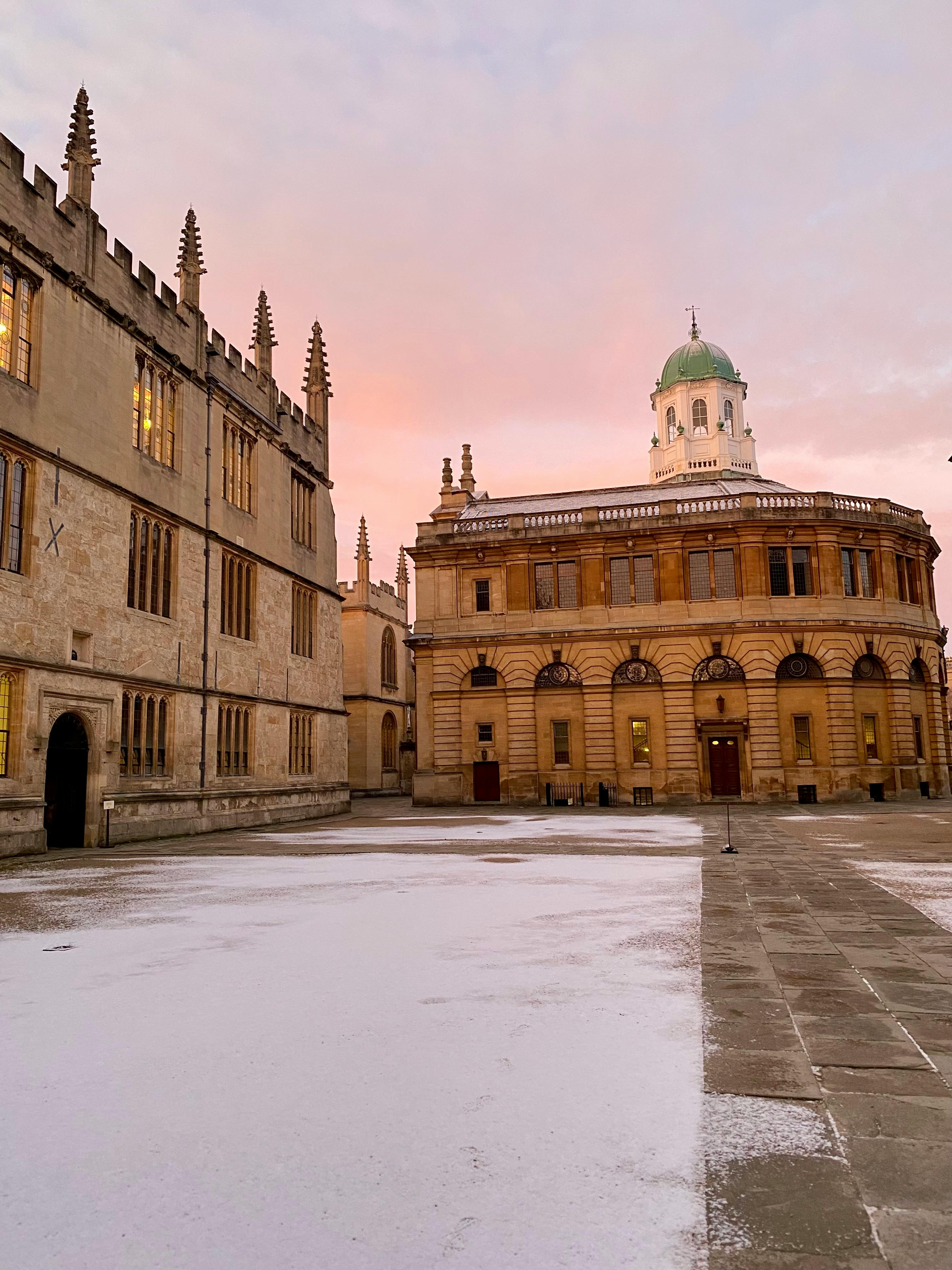
When it comes to exploring the rich tapestry of England’s most iconic university cities, Oxford and Cambridge stand out as timeless treasures. These historic towns are much more than just academic hubs; they are vibrant centers of culture, architecture, and tradition that have captivated travelers for centuries. Both destinations offer a unique blend of centuries-old buildings, picturesque streets, and fascinating stories that make them perfect for those seeking cultural gems without breaking the bank. From ancient colleges and hidden alleyways to lively markets and centuries-old pubs, each city invites visitors to step back in time and experience its distinctive charm.
In this article, we will delve into what makes Oxford and Cambridge truly special as travel destinations. You can expect a comprehensive comparison of their historic towns, cultural highlights, and budget-friendly tips to make your visit memorable. Whether you’re a history enthusiast, a lover of architecture, or simply seeking an authentic cultural experience, this guide will help you uncover the best of both worlds—without overspending. Prepare to explore the captivating stories and scenic beauty that define these iconic British cities.
No ads, unlimited skips, and offline listening – perfect for travelers! Try Amazon Music Unlimited free.
University of Oxford
The University of Oxford stands as one of the most historic and prestigious academic institutions in the world. Located in the heart of Oxford, England, the university’s sprawling campus blends centuries-old architecture with vibrant college life. Visitors are often captivated by its blend of tradition, scholarly ambiance, and picturesque surroundings. The university comprises a collection of individual colleges, each with its own unique character and history, creating a fascinating tapestry of academic excellence and historic charm.

Among the main features that make the University of Oxford worth exploring are its historic colleges, stunning chapels, libraries, and cloisters. Notable colleges such as Christ Church, Magdalen, and Balliol showcase a variety of architectural styles, from medieval to Victorian. The Bodleian Library, one of the oldest libraries in Europe, houses millions of manuscripts, rare books, and documents, making it a treasure trove for history enthusiasts and scholars alike. The Radcliffe Camera, an iconic circular building, serves as a reading room for the Bodleian and offers breathtaking views of the university grounds.
Visitors can enjoy guided tours that explore the university’s rich history, notable alumni, and architectural marvels. Many colleges open their doors to the public, allowing visitors to walk through cloisters, courtyards, and historic halls. Practical information includes varying opening hours by college and scheduled guided tours throughout the day. It’s advisable to check in advance for any special events or restrictions, especially during university term times.
Exploring the University of Oxford offers a journey through centuries of academic achievement, cultural influence, and architectural splendor. Whether you are interested in history, architecture, or simply soaking in the scholarly atmosphere, Oxford provides an enriching experience that celebrates its status as a historic town and cultural gem.
Christ Church College
Situated in the heart of Oxford, Christ Church College is one of the university’s most famous and architecturally impressive colleges. Founded in 1546, it boasts a rich history intertwined with the city’s development and has served as both a college and a filming location for numerous movies, including the Harry Potter series. Its grand façade, cloisters, and gardens make it a must-visit destination for history buffs, film fans, and architecture enthusiasts alike.
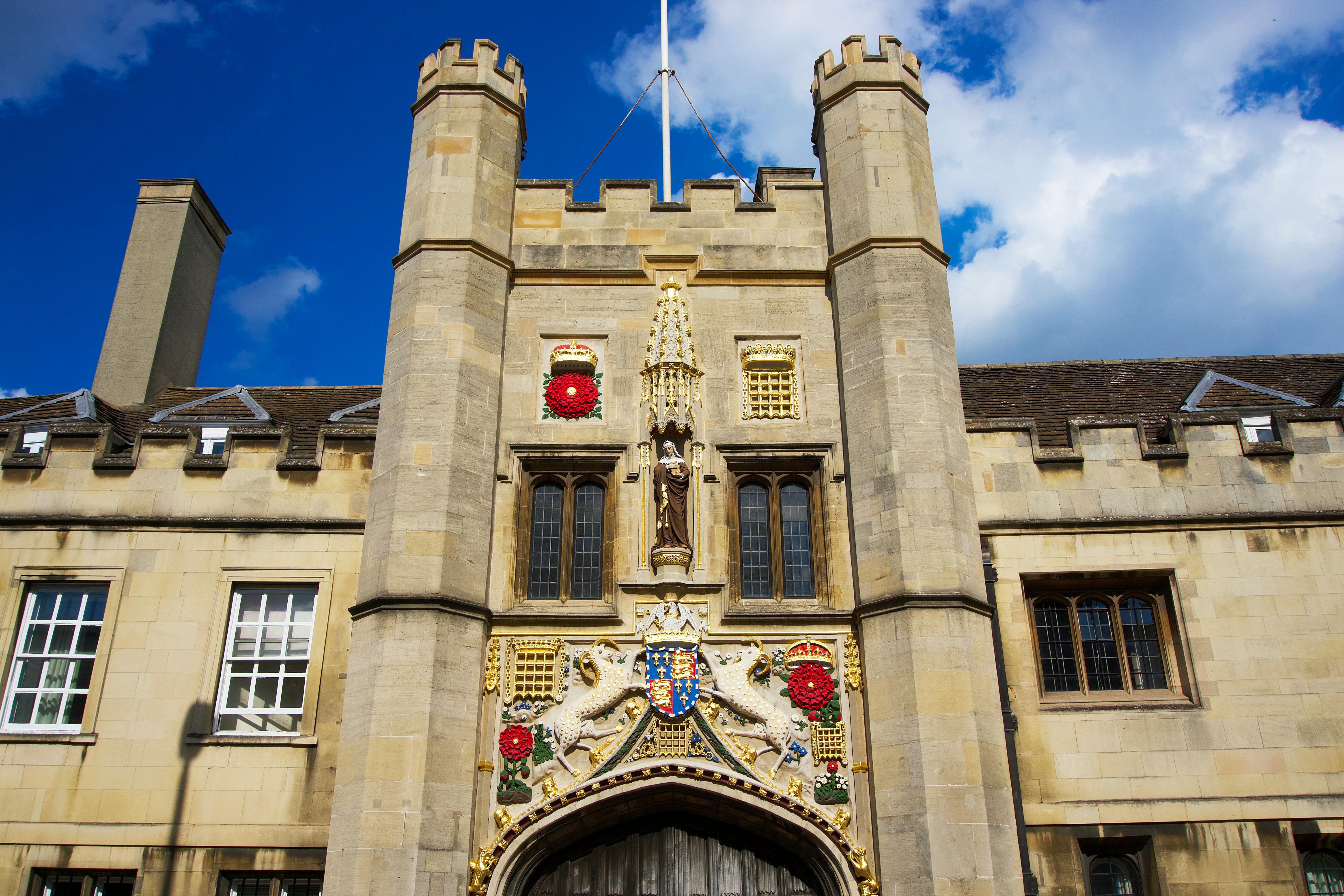
One of the highlights of Christ Church is its magnificent Great Hall, which resembles the iconic dining hall from the Harry Potter films. Visitors can walk through the hall, marvel at its high vaulted ceilings, and admire the long wooden tables. The college’s cathedral, Christ Church Cathedral, is another architectural marvel, featuring stunning Gothic design, intricate stained glass windows, and a peaceful cloister for reflective walks. The college also boasts extensive gardens and a picturesque quad that exemplifies classic Oxford charm.
Located at the northern end of the High Street, Christ Church is easily accessible and open to visitors during specific hours. Guided tours are available, providing insights into its history, architecture, and notable alumni like Sir John Betjeman and William Penn. For those interested in history, the college’s museum showcases artifacts and documents that trace its centuries-long legacy. Practical advice includes purchasing tickets in advance during peak seasons, as the college can become quite busy, especially in summer.
Visiting Christ Church College offers a unique glimpse into Oxford’s storied past, blending history, art, and film magic. Its impressive architecture and historical significance make it a highlight of any trip to Oxford, reinforcing its reputation as a true cultural gem and historic treasure.
Radcliffe Camera
The Radcliffe Camera stands as one of Oxford’s most recognizable landmarks and an architectural masterpiece. Built between 1737 and 1749, it was designed by James Gibbs as a circular library for the Bodleian Library. Its stunning domed structure dominates the university skyline and symbolizes the city’s dedication to learning and scholarship. The building’s elegant design combines classical elements with a sense of grandeur, making it a must-see for visitors interested in history and architecture.

Located adjacent to the Bodleian Library, the Radcliffe Camera is nestled in the heart of Oxford’s historic campus. Its impressive circular form is surrounded by lush lawns and pathways, offering a perfect setting for leisurely walks and photo opportunities. While the interior is primarily reserved for library use, visitors can admire its remarkable exterior and appreciate the craftsmanship that went into its construction. The building is often included in guided tours, which explore its history, architecture, and significance within Oxford’s academic landscape.
For those interested in visiting the interior, access is generally restricted to students and staff, but the exterior alone provides ample opportunity for admiration. The Radcliffe Camera’s design features a magnificent domed roof supported by classical columns, and its interior boasts a grand central reading room with soaring ceilings and intricate detailing. The surrounding gardens and open spaces further enhance its appeal, making it a favorite spot for both tourists and locals.
In conclusion, the Radcliffe Camera embodies Oxford’s historic dedication to knowledge and architectural excellence. Its striking silhouette and historical importance make it a true cultural gem, inviting visitors to marvel at the city’s rich academic heritage and timeless beauty.
Bodleian Library
The Bodleian Library, located at the heart of Oxford University, stands as one of the oldest and most iconic libraries in Europe. Established in 1602, it has grown into a monumental repository of knowledge, housing over 13 million printed items, rare manuscripts, and historical documents. Its majestic architecture and rich history make it a must-visit destination for anyone interested in the literary and academic heritage of the United Kingdom.
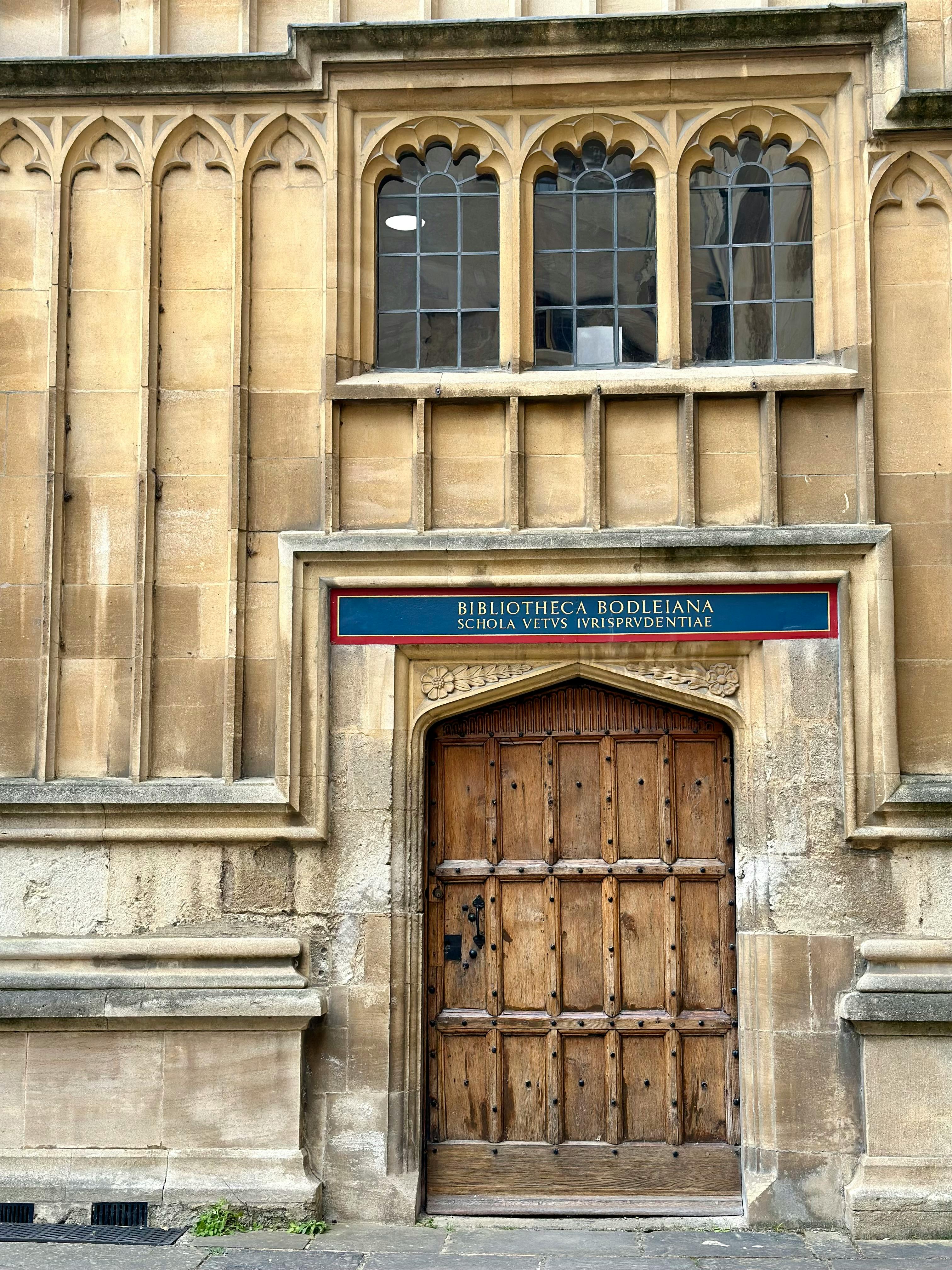
The main building, designed by Sir Thomas Holt and completed in the early 17th century, features a stunning quadrangle with intricate stonework and grand archways. Visitors can explore the historic Duke Humfrey’s Library, which retains its medieval charm with high wooden shelves and ancient manuscripts. The library’s interior is a visual feast, combining Gothic Revival elements with modern preservation techniques. The Bodleian’s Reading Rooms are still in active use, but guided tours allow visitors to glimpse the grandeur and history behind this scholarly sanctuary.
One of the highlights is the Divinity School, built in the 15th century, known for its exquisite vaulted ceilings and detailed stone carvings. It’s often regarded as one of the most beautiful medieval academic buildings in Europe. The Radcliffe Camera, an iconic circular reading room completed in 1749, offers a panoramic view of the university’s historic architecture and is a symbol of Oxford’s intellectual legacy.
For visitors, practical information includes varying opening hours, guided tours available daily, and an admission fee for certain exhibitions and access. The library also has a gift shop and café, perfect for relaxing after exploring. Whether you’re an academic, history enthusiast, or lover of beautiful architecture, the Bodleian Library offers a unique window into centuries of scholarly pursuit and cultural history.
Ashmolean Museum
The Ashmolean Museum, situated at the University of Oxford, is the oldest public museum in the world, founded in 1683. Its impressive collection spans thousands of years and includes art, archaeology, and antiquities from across the globe. Located centrally in Oxford’s historic city center, it is a cultural treasure trove that invites visitors to explore human creativity and history through diverse exhibitions and collections.
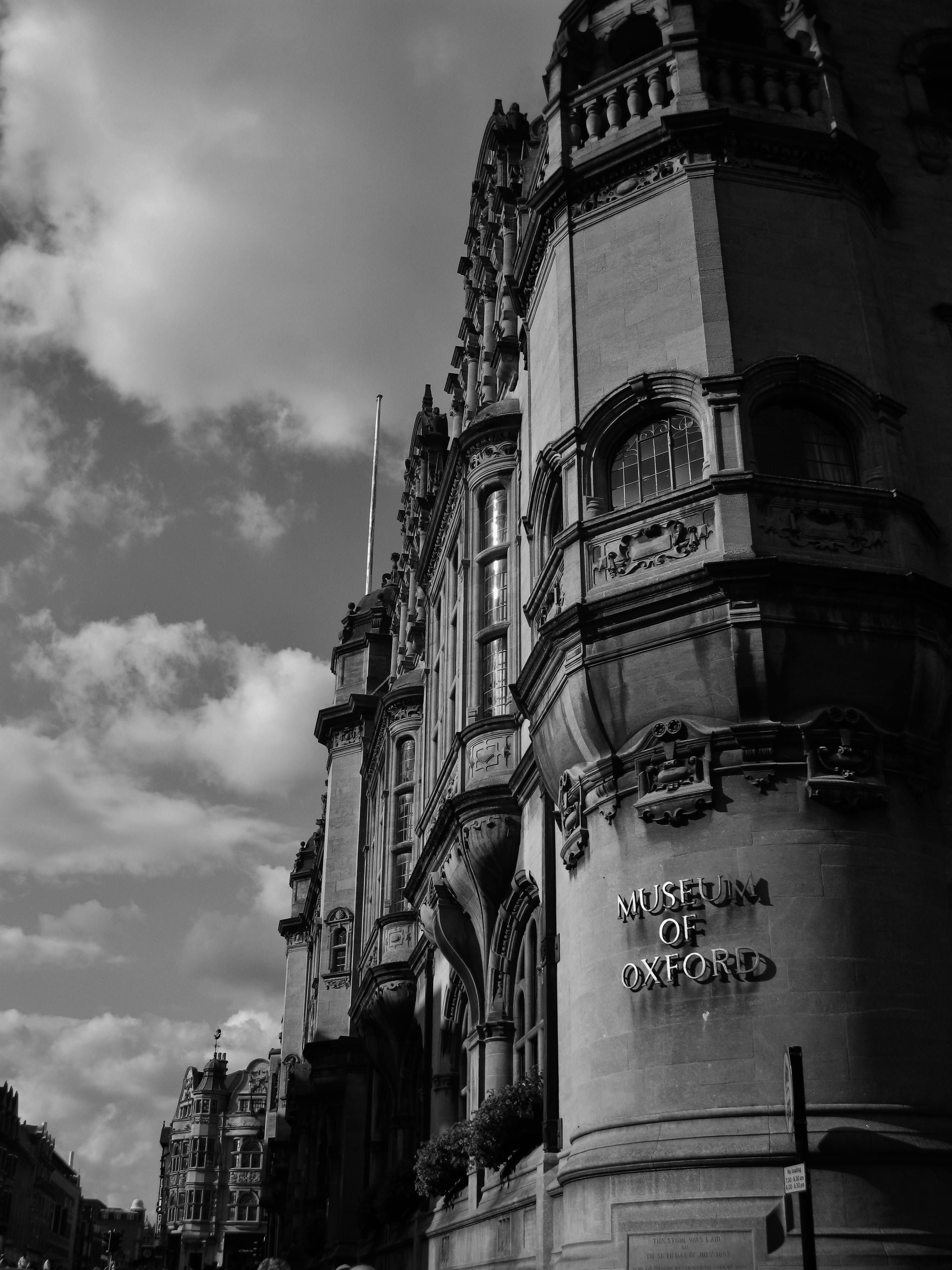
The museum’s architecture is equally captivating, combining the original 17th-century building with modern extensions designed by prominent architects. As you step inside, you are greeted by a spacious, light-filled atrium that sets the tone for the extensive galleries beyond. The Ashmolean’s collection includes masterpieces by renowned artists such as Michelangelo, Raphael, and Turner, alongside ancient Egyptian artifacts, Asian art, and classical sculptures.
One of the museum’s standout features is its ability to blend ancient and contemporary art seamlessly. The Egyptian galleries, with their well-preserved mummies and hieroglyphic inscriptions, offer a glimpse into ancient civilizations. Meanwhile, the modern art section showcases works from the 19th and 20th centuries, including pieces by British artists like J.M.W. Turner and William Blake.
Practical tips for visitors include checking the museum’s website for current exhibitions and opening hours, as they can vary seasonally. Admission is free, making it accessible for all. The museum also offers guided tours, educational programs, and a charming café and shop. Visiting the Ashmolean is not just about viewing art; it’s an immersive journey through the story of human expression across centuries and continents, making it an essential stop for those seeking a rich cultural experience in Oxford.
Best Time to Visit Oxford vs Cambridge
Understanding the Weather and Climate
Both Oxford and Cambridge enjoy a temperate maritime climate, characterized by mild summers and cool winters. The best weather for exploring their historic towns and cultural gems is typically from late spring to early autumn, spanning May through September. During these months, visitors benefit from longer daylight hours and generally pleasant weather, ideal for walking through historic colleges and scenic riverbanks.
However, it’s important to note that summer months can also bring unpredictable weather, including occasional rain. Packing an umbrella and layered clothing ensures you’re prepared for sudden changes. Visiting during spring, especially in late April or May, offers the added advantage of seeing the towns in full bloom, enhancing the charm of their historic streets and gardens.
Peak Tourist Seasons and Crowds
Both towns experience peak tourist influx during the summer months, especially in June, July, and August. This period coincides with school holidays, when families and international visitors flock to explore the universities and cultural sites. Consequently, popular attractions can become crowded, and accommodation prices tend to rise.
For travelers seeking a quieter experience, consider visiting in late spring (April to early May) or early autumn (September). During these shoulder seasons, the crowds thin out, and you can enjoy a more relaxed exploration of the historic towns’ hidden gems.
Off-Peak Benefits
Visiting during off-peak times offers several advantages. These include lower accommodation costs, shorter lines at major sites, and a more intimate experience of the towns’ timeless beauty. Additionally, visiting in late autumn (October) allows you to enjoy the towns with fewer tourists, though the weather may be cooler and more unpredictable.
In summary, the ideal time depends on your preferences: if you prioritize good weather and lively atmospheres, late spring or summer is best. Conversely, for tranquility and better deals, consider the shoulder seasons of early spring or early autumn.
Summary of Pros and Cons
| Timing | Pros | Cons |
|---|---|---|
| Late Spring to Early Autumn (May – September) |
|
|
| Late Autumn to Winter (October – March) |
|
|
Ultimately, choosing the best time hinges on whether you prefer lively, sunny days or a quieter, more intimate experience of these historic towns’ cultural gems. Planning ahead ensures you make the most of your visit to Oxford or Cambridge, regardless of the season.
Getting to Oxford vs Cambridge: A Guide for Travelers Interested in Historic Towns and Cultural Gems
Both Oxford and Cambridge are renowned for their ancient universities, stunning architecture, and vibrant cultural scenes. Reaching these historic towns is straightforward, with a variety of transportation options suited to different budgets and preferences. Whether you’re arriving from within the UK or internationally, planning your journey carefully will ensure you enjoy your exploration of these iconic academic hubs.
Flights
If you’re coming from abroad, the most convenient way is to fly into one of the major airports near Oxford or Cambridge. The closest airports include London Heathrow, London Gatwick, and London Stansted. From these hubs, you can take a train, bus, or hire a car to reach your destination. For those traveling from further afield, booking a direct flight to London and then continuing your journey by land is often the best option. Keep in mind that early booking can secure better fares and more flexible schedules.
Train Travel
Trains offer a scenic, comfortable, and efficient way to reach both towns. Oxford is served by Oxford Station, with direct trains from London Paddington taking approximately one hour. Cambridge is accessible via Cambridge Station, with frequent services from London King’s Cross and Liverpool Street, taking around 45 minutes. Traveling by train allows you to enjoy the picturesque English countryside and arrive directly in the heart of each city, ready to explore their historic streets and cultural landmarks.
Bus and Coach Services
National Express and other coach companies operate regular services from London and other UK cities to both Oxford and Cambridge. Buses are often more economical than trains, though travel times may be longer. These services typically drop passengers at central locations, making it easy to start your sightseeing immediately upon arrival.
Car Rentals and Driving Tips
Driving offers flexibility, especially if you plan to explore the surrounding countryside or visit smaller villages nearby. Major rental companies have offices in London and at airports. When renting a car, be aware that parking in the city centers can be limited and expensive. Additionally, driving in historic towns requires careful attention to narrow streets and local traffic regulations. Consider using GPS or navigation apps to avoid congestion and find the best routes.
Travel Tips and Important Information
- Plan your journey ahead, especially during peak tourist seasons in spring and summer.
- Check train and bus schedules in advance to coordinate your arrival times.
- Consider combining different modes of transport, such as train and bike rentals, to enhance your experience.
- Always verify parking regulations if driving, as historic towns often have restrictions to preserve their charm.
Ultimately, choosing the right transportation depends on your starting point, budget, and desire for scenic travel. Whichever option you select, both Oxford and Cambridge promise a journey rich in history and cultural gems, making your trip truly memorable.
Best Places to Stay in Oxford vs Cambridge
When exploring the historic towns of Oxford and Cambridge, choosing the right accommodation can significantly enhance your experience of their rich cultural heritage. Whether you seek luxury, mid-range comfort, or budget options, each city offers unique stays that reflect their storied pasts and vibrant academic atmospheres. Here, we provide tailored recommendations across different budgets, ensuring you find the perfect base to immerse yourself in these historic towns and their cultural gems.
Luxury Options
Oxford
The Randolph Hotel, a grand Victorian-era establishment, stands as an icon of Oxford’s historic charm. Located right in the heart of the city, it offers opulent rooms, exquisite dining, and a storied past linked to literary legends and royalty. Staying here provides immediate access to Oxford’s historic colleges and museums, making it ideal for those seeking a luxurious immersion into the town’s academic and cultural heritage.
Cambridge
The University Arms Hotel is Cambridge’s premier luxury stay. This historic hotel, dating back to 1834, blends classic architecture with modern elegance. Its prime location near the university’s historic colleges makes it perfect for exploring Cambridge’s cultural landmarks. Guests can indulge in refined dining and relax in spacious rooms that echo the town’s scholarly grandeur.
Mid-Range Options
Oxford
The Old Bank Hotel offers a charming yet comfortable experience. Situated on the High Street, it boasts contemporary decor intertwined with historic features. Its proximity to Oxford’s museums, libraries, and colleges makes it a popular choice for travelers eager to explore the city’s cultural gems without overspending.
Cambridge
The Hotel du Vin & Bistro Cambridge combines boutique style with affordability. Located near the river and close to the university, it provides stylish rooms and excellent amenities. Its central location makes it easy to discover Cambridge’s historic architecture and vibrant arts scene.
Budget-Friendly Options
Oxford
YHA Oxford offers affordable accommodation within walking distance of the city center. This hostel provides clean, functional rooms and communal spaces, making it ideal for budget travelers eager to explore Oxford’s historic sites without breaking the bank.
Cambridge
Travelodge Cambridge Central Station is a practical choice for budget-conscious visitors. It offers straightforward rooms at competitive rates, with easy access to the city’s historic colleges and the scenic River Cam. Its convenient location makes it an excellent base for exploring Cambridge’s cultural treasures without overspending.
Ultimately, whether you prefer the grandeur of historic hotels or the simplicity of budget accommodations, both Oxford and Cambridge offer a range of options that allow you to delve into their storied pasts while enjoying comfortable stays. Each choice provides a unique way to experience these timeless towns and their cultural gems, enriching your journey into England’s historic heartlands.
Essential Travel Products for Visiting Oxford and Cambridge
When exploring the historic towns of Oxford and Cambridge, having the right travel gear can significantly enhance your experience. Here are two highly recommended products tailored specifically for visitors to these iconic university cities.
1. Compact Portable Charger – Anker PowerCore 10000
This lightweight, high-capacity power bank is an indispensable accessory for travelers navigating Oxford and Cambridge. With a 10,000mAh capacity, it can easily recharge smartphones multiple times, ensuring you stay connected throughout your day of sightseeing. Its compact size fits comfortably in a pocket or small bag, making it perfect for long walks across historic campuses or along scenic riverbanks. The Anker PowerCore 10000 features fast-charging technology, which means your devices recharge quickly, minimizing downtime. Whether you’re capturing photos of the stunning architecture or using navigation apps, this portable charger guarantees your devices remain powered without the need for bulky extra batteries. You can purchase it from Amazon or electronics stores specializing in travel accessories.
2. Durable Backpack with RFID Protection – Pacsafe Metrosafe LS200
Exploring Oxford and Cambridge involves a fair amount of walking through cobblestone streets and historic sites. A reliable, comfortable backpack is essential for carrying your essentials, including water, maps, and souvenirs. The Pacsafe Metrosafe LS200 not only offers ample storage but also incorporates RFID-blocking technology, safeguarding your credit cards and passports from electronic theft. Its anti-theft features, such as lockable zippers and cut-resistant materials, provide peace of mind while wandering busy markets or crowded university courtyards. Additionally, its ergonomic design ensures comfort during extended walks. Available from travel gear retailers and online marketplaces, this backpack combines practicality with security, making it perfect for historic town explorations.
See these travel items on Amazon now
Guidebooks for Exploring Oxford and Cambridge on a Budget
For travelers eager to uncover the rich history and cultural gems of Oxford and Cambridge without overspending, well-chosen guidebooks can be invaluable. Here are three excellent options available on Kindle Unlimited and Audible, designed to maximize your experience while keeping costs low.
1. “Historic Towns & Cultural Gems on a Budget: Oxford & Cambridge”
This comprehensive guide offers detailed walking routes, tips on free or low-cost attractions, and insider knowledge on hidden historical sites. It highlights lesser-known colleges, museums, and scenic spots that often go unnoticed by typical tourists. The book also provides practical advice on affordable dining options and budget-friendly accommodations, making it ideal for travelers seeking an authentic experience without overspending. Its engaging narrative and rich historical context help visitors appreciate the towns’ academic and architectural heritage while maintaining a reasonable budget.
2. “Oxford & Cambridge: A Pocket Guide to Historic Towns”
Designed for quick reference, this compact guide is perfect for those who want to explore efficiently. It includes concise descriptions of key landmarks, suggested itineraries, and practical travel tips. The guide emphasizes the towns’ cultural history, from their medieval origins to their modern academic stature. Its portable format allows travelers to carry it easily during day trips, ensuring they never miss a significant site or story. Available on Kindle Unlimited, it’s a cost-effective resource for budget-conscious explorers.
3. “Affordable Adventures in Oxford & Cambridge” (Audiobook)
This audiobook provides an engaging narration of the towns’ history, architecture, and cultural highlights, perfect for listening during walks or commutes. It offers practical advice on how to experience the best of Oxford and Cambridge without spending a fortune, including tips on free events and inexpensive dining options. Its conversational tone makes it accessible and enjoyable, ideal for travelers who prefer auditory learning. Available on Audible, this book allows visitors to immerse themselves in the towns’ stories while on the move, enriching their understanding of these historic centers.
Combining these insightful guidebooks with your travel gear will prepare you to explore Oxford and Cambridge’s rich cultural and historic landscapes affordably and meaningfully. Whether wandering their ancient streets or discovering hidden gems, these resources will help you craft a memorable journey through two of England’s most iconic university cities.
Need a travel guide? Get unlimited ones free for 30 days!
Frequently Asked Questions: Exploring Historic Towns & Cultural Gems on a Budget – Oxford vs Cambridge
1. How do Oxford and Cambridge compare in terms of historical significance and cultural offerings?
Both Oxford and Cambridge boast rich histories spanning over a millennium, making them treasure troves of cultural and architectural heritage. Oxford, known as the “City of Dreaming Spires,” features iconic university buildings, medieval churches, and lively markets. Cambridge, often called the “City of Learning,” is famed for its stunning colleges, picturesque river, and vibrant arts scene. While Oxford tends to emphasize its medieval roots and literary connections, Cambridge offers a more tranquil, river-centric atmosphere with a focus on scientific innovation and classical architecture. Visiting both provides an immersive experience into England’s academic and cultural evolution, with each town offering unique historic gems worth exploring.
2. Is it affordable to visit these historic towns without breaking the bank?
Absolutely. Both cities are accessible for budget travelers, especially with some planning. Many historic sites, such as university colleges, have discounted or free entry on certain days or times. Walking tours are often inexpensive or free, providing insightful perspectives without costly guides. Opt for budget-friendly eateries, such as local cafes and markets, instead of high-end restaurants. Public transportation, like buses and cycling, is affordable and convenient for getting around. Additionally, booking accommodation well in advance or choosing hostels, guesthouses, or Airbnb options can significantly reduce costs. Remember, many of the town’s historic streets and parks are free to explore, making them perfect for budget-conscious travelers.
3. Which town offers better access to cultural landmarks for a day trip?
Both Oxford and Cambridge are excellent for day trips, but Oxford’s proximity to London—just under an hour by train—makes it particularly convenient for travelers staying in the capital. Oxford’s compact city center allows visitors to explore major landmarks like the Radcliffe Camera, Bodleian Library, and Christ Church College on foot. Cambridge, while slightly farther from London, is equally accessible and offers a more relaxed pace, with highlights such as King’s College Chapel, the Backs, and the Fitzwilliam Museum. If your focus is on a quick cultural immersion, Oxford’s central location might give you more time to explore without long travel times.
4. Are there specific hidden gems or lesser-known sites worth visiting in each city?
Indeed, both towns harbor hidden gems that often escape the typical tourist routes. In Oxford, consider visiting the University Parks, a peaceful green space with historic trees and sculptures, or the Museum of the History of Science, which showcases early scientific instruments. Cambridge’s Kettle’s Yard, an art gallery housed in a historic home, offers a unique cultural experience. Also, explore The Orchard Tea Garden in nearby Grantchester, famous for its literary connections and charming ambiance. These lesser-known sights provide authentic insights into local history and culture, enriching your visit beyond the popular landmarks.
5. What practical tips can help travelers maximize their experience on a budget?
Planning ahead is key. Purchase tickets for major attractions online in advance to secure discounts and avoid queues. Consider visiting during shoulder seasons—spring and autumn—when prices are lower, and crowds are thinner. Use city passes or combined tickets that offer access to multiple sites at a reduced rate. Take advantage of free walking tours, often led by passionate guides eager to share local stories. Lastly, embrace local markets and street food for meals, which are both affordable and authentic. With a little preparation, you can enjoy the rich history and culture of Oxford and Cambridge without overspending.
Image Placeholder
Make your bookings pay you back – cashback available now!
Discovering Historic Charm and Cultural Riches on a Budget: Oxford vs Cambridge
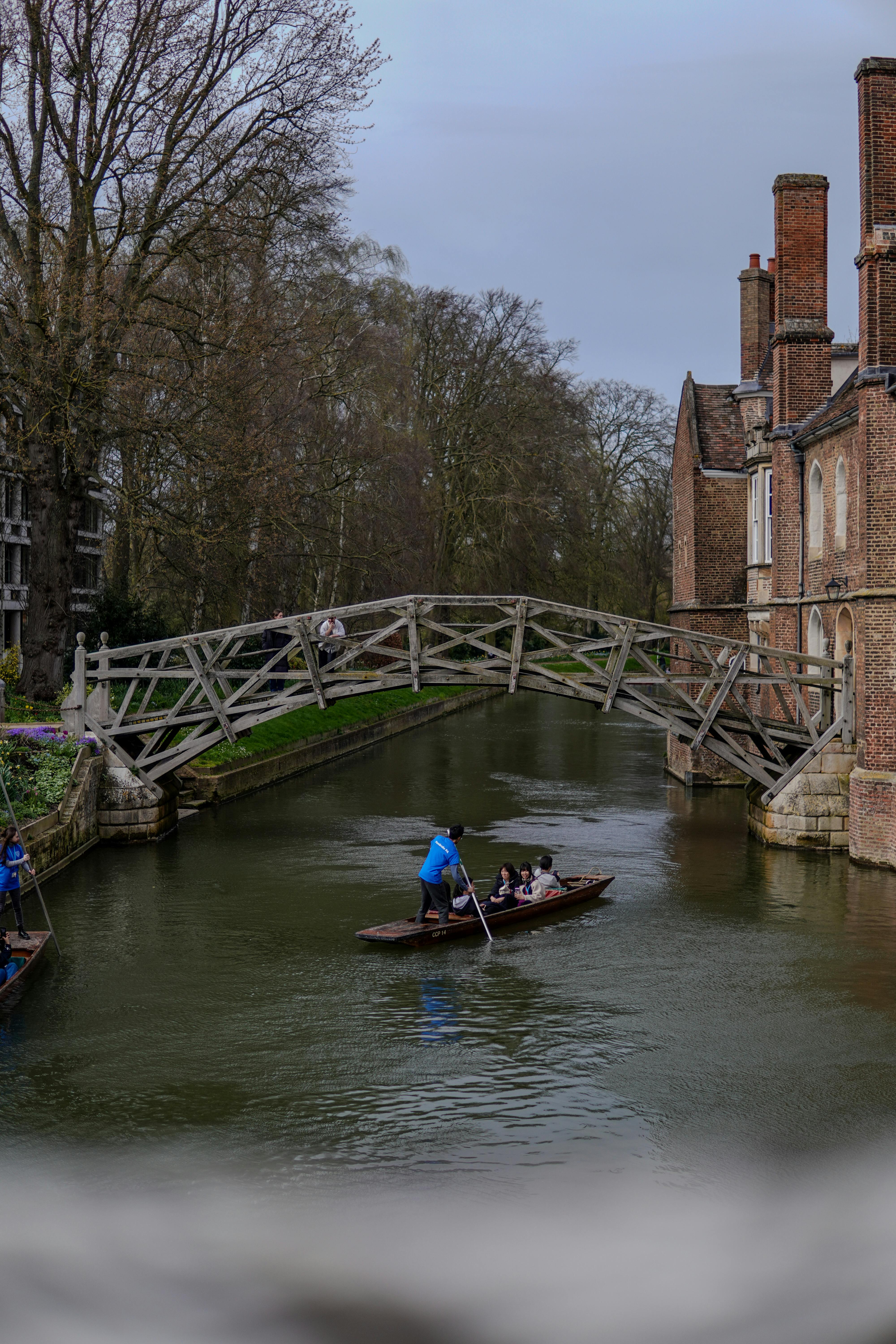
Both Oxford and Cambridge present remarkable opportunities to explore historic towns and cultural gems without overspending. Oxford impresses with its stunning architecture, renowned university, and literary history, while Cambridge captivates with its scenic river, innovative museums, and scholarly ambiance. When choosing between them, consider your interests: if medieval architecture and historic libraries appeal to you, Oxford may be the ideal choice. Alternatively, if scenic punting and vibrant cultural scenes are more your style, Cambridge offers a charming, affordable experience.
Key points to keep in mind include:
- Many attractions, such as historic colleges and scenic walks, are free or low-cost.
- Affordable dining options are plentiful, especially in local cafes and markets.
- Public transportation and walking are effective and inexpensive ways to explore.
- Engaging cultural activities, from markets to festivals, add value to your visit.
These towns are accessible treasures that reveal centuries of history and innovation. Spending a little extra time allows you to uncover hidden corners and local stories, enriching your overall experience. Whether you choose Oxford or Cambridge, your journey will be rooted in rich tradition and vibrant culture, offering a memorable exploration of England’s historic heartlands.
Take the Next Step
Don’t just read about these incredible towns—start planning your own adventure! Research affordable accommodations, craft a flexible itinerary, and immerse yourself in their local atmosphere. Both destinations are ready to share their timeless stories and vibrant culture. Begin your planning today to make your budget-friendly exploration of Oxford or Cambridge a truly memorable experience.